When the job follows you home
Service can train us to stay ready, focused, and composed. Home life asks for something different: presence, flexibility, and connection.
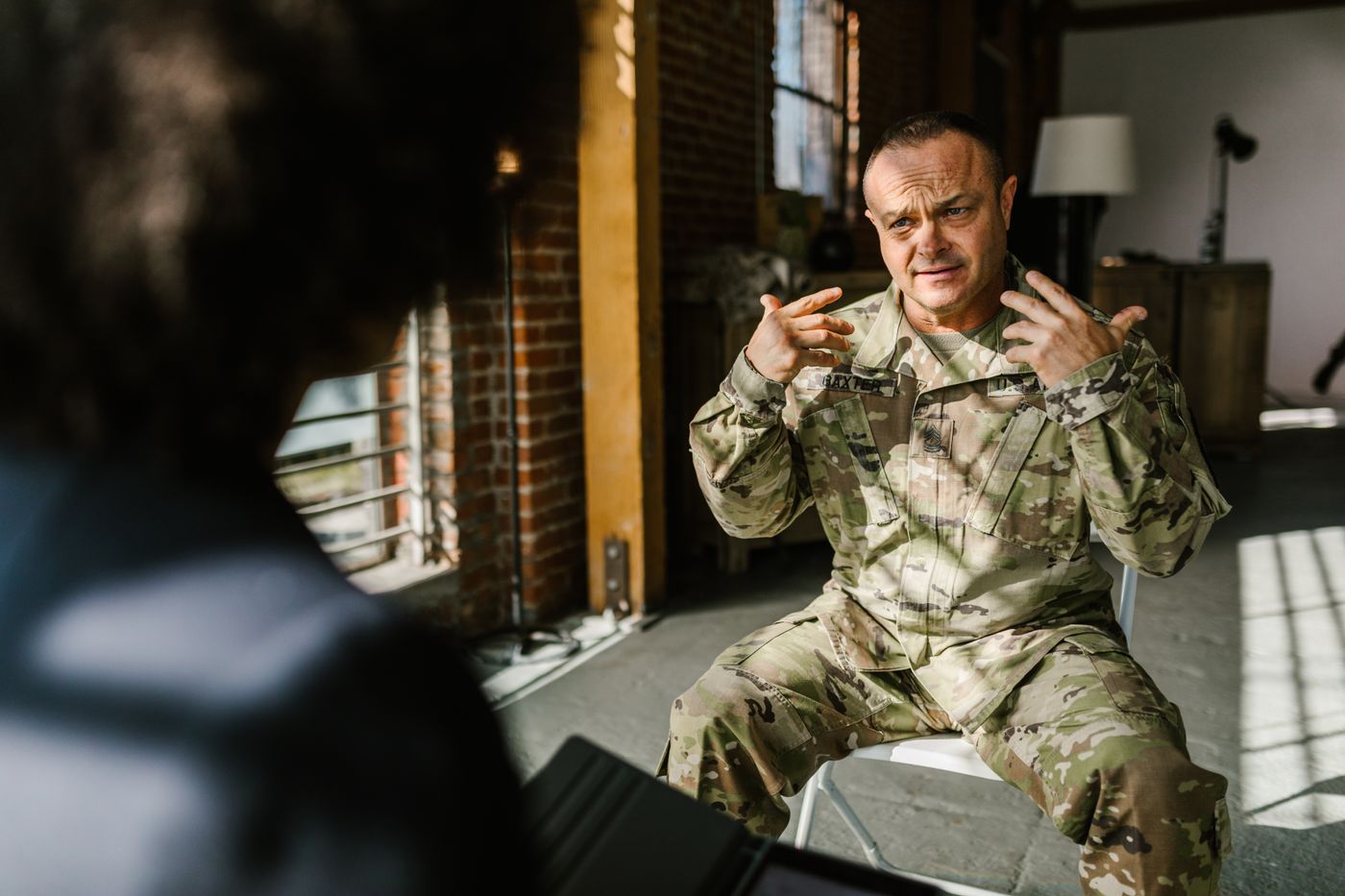
The transition is real
After a demanding day, it can take time for the nervous system and attention to shift out of work mode. That does not mean something is wrong with you. It means your mind and body learned how to function in a demanding environment.
Create a landing routine
A short transition ritual can help. Change clothes, take a walk, sit quietly for a few minutes, listen to music, or send a quick message to someone you trust. The goal is to create a clear boundary between what happened at work and what is happening at home.
Let people know what you need
Family members cannot always tell whether you need conversation, quiet, food, space, or connection. Simple language helps: “I need 20 minutes to decompress, then I want to hear about your day.”
Recovery is part of readiness
Rest, relationships, meaningful activities, and professional support are not signs of weakness. They are ways of protecting the parts of life that matter after the shift, deployment, assignment, or career transition.